¿Milei usó políticamente a Belgrano o dijo una verdad histórica?
Hay frases que no entran en la discusión pública como una opinión más, sino como una piedra arrojada contra una vidriera cuidadosamente protegida durante décadas. Cuando Javier Milei reivindicó a Manuel Belgrano como una figura ligada a la libertad, la producción, la educación, el comercio y la austeridad, no estaba simplemente hablando de historia. Estaba tocando uno de los nervios más sensibles de la Argentina contemporánea: quién tiene derecho a interpretar el pasado, quién se apropió de los símbolos nacionales y qué clase de país se esconde detrás de cada relato.
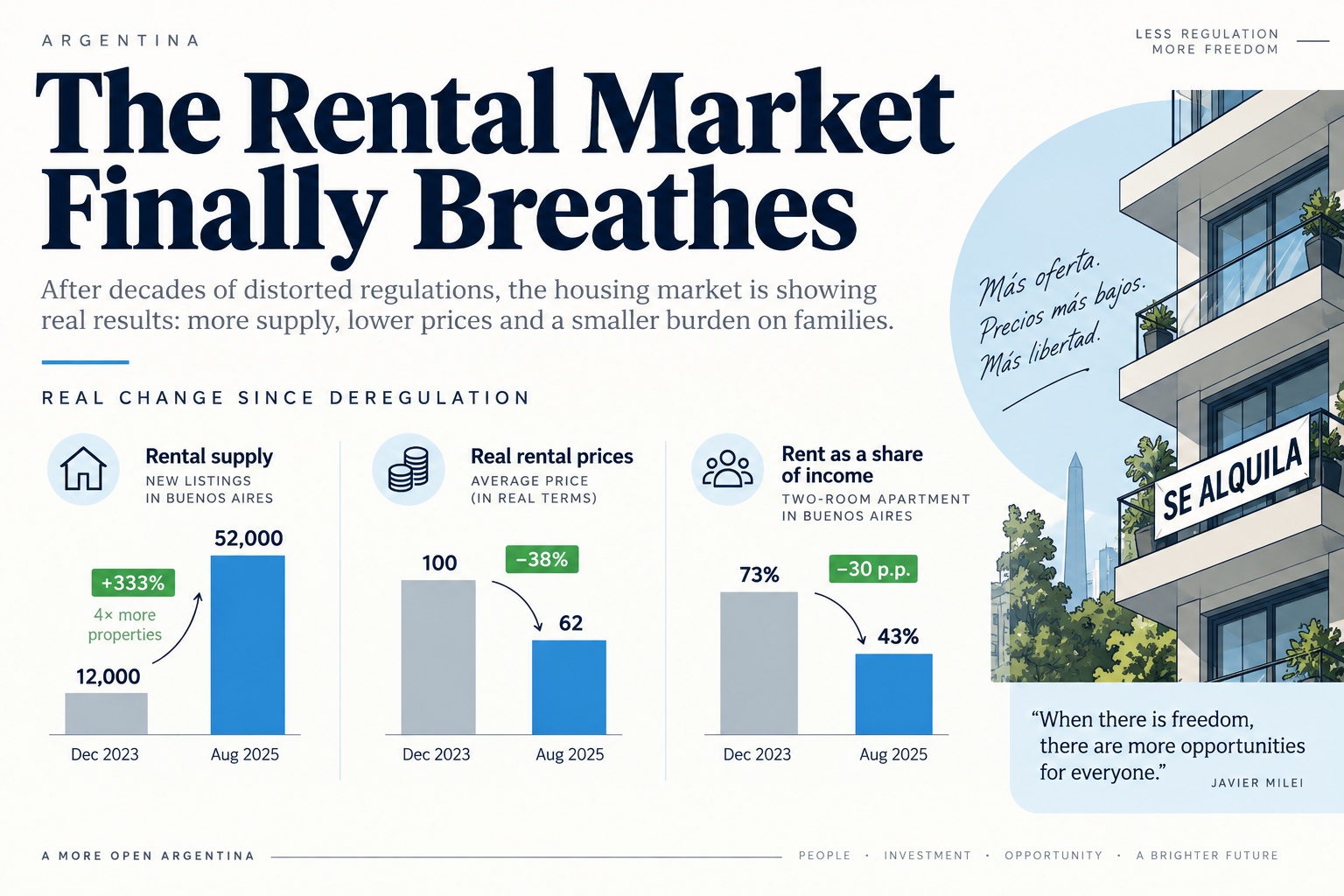
La imagen viral que circuló luego del acto en el Monumento a la Bandera exagera, dramatiza y busca impacto emocional. Habla de llanto, de refundación histórica, de una jornada que habría paralizado al país y de una tormenta ideológica en redes sociales. Como pieza periodística, es desmesurada. Como síntoma político, es interesante. Porque, detrás del tono inflamado, detecta algo real: Milei no fue a Rosario solamente a rendir homenaje al creador de la bandera. Fue a disputar el significado de Belgrano.
Y esa disputa importa mucho más de lo que parece.
Durante generaciones, la Argentina escolarizó a Belgrano hasta volverlo casi inofensivo. Lo redujo al hombre que creó la bandera, al prócer prolijo de los actos escolares, al rostro sereno de los manuales, al nombre de avenidas, escuelas y billetes. Ese Belgrano era cómodo para todos, porque no incomodaba a nadie. No obligaba a discutir el Estado, ni el saqueo, ni la corrupción, ni el sacrificio personal, ni la diferencia entre servir a la patria y vivir de ella.
Pero el Belgrano real fue mucho más peligroso que esa estampa decorativa. Fue abogado, economista, funcionario del Consulado de Comercio, militar improvisado por necesidad histórica, promotor de la educación técnica, defensor de la producción, crítico del monopolio colonial y hombre de una austeridad personal que, vista desde la Argentina actual, parece casi una acusación moral. Belgrano no fue simplemente el creador de un símbolo. Fue alguien que pensó la riqueza de una nación, la libertad económica, el mérito, el trabajo, la educación y la responsabilidad pública.
Por eso, cuando Milei lo presenta como parte de una tradición liberal, la pregunta no debería ser solamente si esa etiqueta es perfecta. La pregunta más importante es por qué esa lectura irrita tanto.
Decir que Belgrano fue “liberal” requiere matices. No fue un libertario moderno. No fue un economista austríaco del siglo XXI. No pensaba con las categorías de la política contemporánea. Pero sí fue un hombre profundamente influido por las ideas de la Ilustración, por el reformismo económico, por la crítica a los privilegios coloniales y por la necesidad de liberar la capacidad productiva de una sociedad atrapada en monopolios, trabas y estructuras corporativas. En ese sentido, presentarlo como un precursor de una Argentina más libre, productiva y educada no es una falsificación. Es una interpretación política apoyada sobre una base histórica real.
Ese es el punto central: Milei hizo una interpretación política de Belgrano. Pero no toda interpretación política es mentira. A veces, una interpretación política revela lo que el relato oficial había preferido esconder.
La batalla por Belgrano es, en realidad, una batalla por el alma simbólica de la Argentina. Durante mucho tiempo, buena parte del populismo argentino se presentó como dueño moral de la patria. La bandera, el pueblo, la justicia social, los trabajadores, los humildes, la memoria histórica: todo fue integrado dentro de una maquinaria narrativa que convertía al aparato estatal en supuesto representante natural de la nación. Bajo ese relato, cuestionar al Estado era cuestionar al pueblo; cuestionar al sindicalismo era atacar a los trabajadores; cuestionar el gasto público era despreciar a los vulnerables; cuestionar la corrupción era, muchas veces, una operación política.
El problema es que detrás de esa retórica se fue consolidando una estructura de poder que ya no puede explicarse solamente como ideología. En la Argentina hay una matriz de intermediación que vive del contribuyente. Esa matriz incluye dirigentes políticos profesionales, sectores sindicales eternizados, operadores judiciales, empresarios prebendarios, punteros territoriales, burócratas protegidos, consultoras amigas, proveedores del Estado, medios dependientes de pauta y una extensa red de cajas públicas. No todo el Estado es casta. No todo sindicalista es corrupto. No todo juez es cómplice. No todo opositor es parte de una mafia. Pero el sistema sí produjo, protegió y normalizó demasiadas zonas donde el poder se volvió renta, impunidad y negocio.
Ahí es donde la figura de Belgrano se vuelve explosiva.
Porque Belgrano murió pobre. No se enriqueció con la patria. No usó la revolución como oportunidad patrimonial. No convirtió su cargo en una empresa familiar. No fue el símbolo de una clase dirigente que se sirve del Estado, sino de una idea opuesta: el servidor público que entrega más de lo que recibe. En una Argentina acostumbrada a funcionarios que entran pobres y salen ricos, a causas judiciales que avanzan o duermen según conveniencia política, a gremialistas que hablan en nombre de los trabajadores mientras acumulan poder hereditario, y a estructuras territoriales que negocian pobreza como capital político, Belgrano no es un adorno: es un espejo incómodo.
Por eso la operación simbólica de Milei tiene potencia. No consiste simplemente en decir “Belgrano era liberal”. Consiste en colocar a Belgrano frente a la Argentina del privilegio. Frente a la Argentina de los fueros, de los expedientes cajoneados, de las licitaciones arregladas, de los sindicatos transformados en feudos, de los municipios capturados, de la justicia selectiva, de las economías ilegales que prosperan donde el Estado mira para otro lado o directamente participa.
La corrupción argentina no es solo un problema de ladrones individuales. Es un ecosistema. Y en ese ecosistema se cruzan, muchas veces, la política, la justicia, la policía, el sindicalismo, el narcotráfico, el lavado de dinero y la trata de personas. No siempre en forma visible. No siempre con pruebas fáciles. No siempre con nombres gritados en televisión. Pero sí como una sospecha estructural que millones de argentinos perciben desde hace años: la ley no pesa igual para todos, la velocidad judicial no es igual para todos, la protección institucional no alcanza a todos, y el ciudadano común suele estar más desamparado que quienes viven de violar o manipular las reglas.
Ese es el trasfondo político del discurso.
Milei no está peleando solamente contra una oposición parlamentaria. Está peleando contra un sistema de hábitos, dependencias, cajas, miedos y complicidades que precede a muchos de sus adversarios actuales. La oposición populista es una parte visible de esa resistencia, pero no la única. También están los sectores de la política tradicional que pueden no ser kirchneristas pero sí profundamente conservadores de sus privilegios. Están quienes se adaptan a cualquier gobierno mientras no les toquen el negocio. Están los que hablan de institucionalidad cuando pierden el control de las instituciones que usaban en beneficio propio. Están los que defienden la república solo cuando la república los protege a ellos.
En ese contexto, la disputa por Belgrano cumple una función estratégica. Le quita al populismo el monopolio de la patria. Dice: la bandera no es de los que agrandaron el Estado para convertirlo en botín. La bandera no es de quienes multiplicaron pobres y luego los administraron. La bandera no es de quienes hablan de justicia social mientras toleran impunidad, atraso educativo, inflación, clientelismo y decadencia productiva. La bandera también puede representar libertad, mérito, austeridad, comercio, educación y responsabilidad.
Ese giro es potente porque convierte el ajuste fiscal en una batalla moral. Si el sacrificio económico se percibe solo como recorte, duele y agota. Pero si se presenta como una guerra contra privilegios, puede adquirir sentido político. La pregunta decisiva es si esa narrativa logra sostenerse con resultados concretos. Porque la épica, por sí sola, no alcanza. Nombrar a la casta no la derrota. Denunciar a los corruptos no limpia la Justicia. Invocar a Belgrano no transforma automáticamente al Estado.
La verdadera prueba de fuego está en las instituciones. Si la lectura de Belgrano se queda en discurso, será una pieza más de la batalla cultural. Si se convierte en reforma judicial, transparencia patrimonial, auditorías serias, control del gasto, persecución del lavado, protección de denunciantes, digitalización de expedientes, profesionalización policial y castigo real para los poderosos, entonces podría volverse algo más profundo: una reconstrucción republicana.
La Argentina no necesita reemplazar una mitología por otra. No necesita convertir a Belgrano en mascota de un partido ni en estampita libertaria. Necesita recuperar al Belgrano incómodo: el que pensaba en producir, educar, comerciar, ordenar, servir y sacrificarse. El que no separaba patria de responsabilidad. El que entendía que una nación libre no se construye con slogans sino con instituciones, trabajo y virtud pública.
Entonces, ¿Milei interpretó políticamente a Belgrano o dijo una verdad histórica?
La respuesta honesta es doble: hizo ambas cosas. Usó políticamente a Belgrano, sí. Pero lo hizo sobre una verdad que el viejo sistema preferiría no discutir. Belgrano no encaja bien con la Argentina prebendaria. No encaja con la casta que vive del impuesto. No encaja con la justicia que calcula tiempos políticos. No encaja con el sindicalismo millonario. No encaja con los intermediarios de la pobreza. No encaja con quienes transformaron la patria en una caja.
Por eso molesta. Porque cuando un país discute a sus próceres, en realidad discute su futuro. Y cuando un prócer que murió pobre por no robar es puesto frente a una dirigencia acostumbrada a vivir del contribuyente, la historia deja de ser pasado. Se convierte en acusación.
juliospinelli.com